
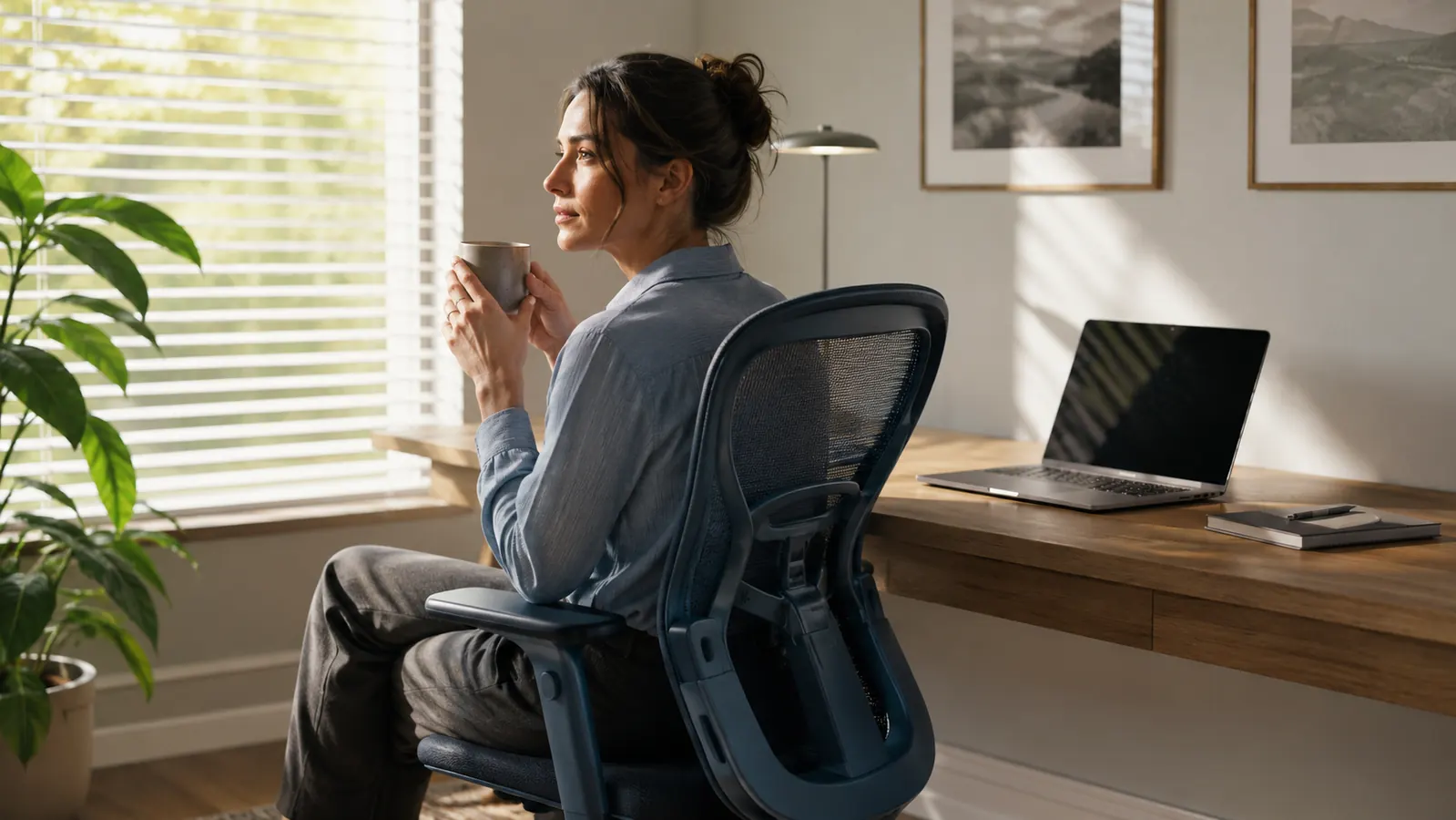
Seating
GABRYLLY Ergonomic Chair Review: 6 Months of Working 8-Hour Days in It
I put this mid-range chair through five-day work weeks for half a year. Here is what held up, what disappointed me, and whether it is still worth buying.
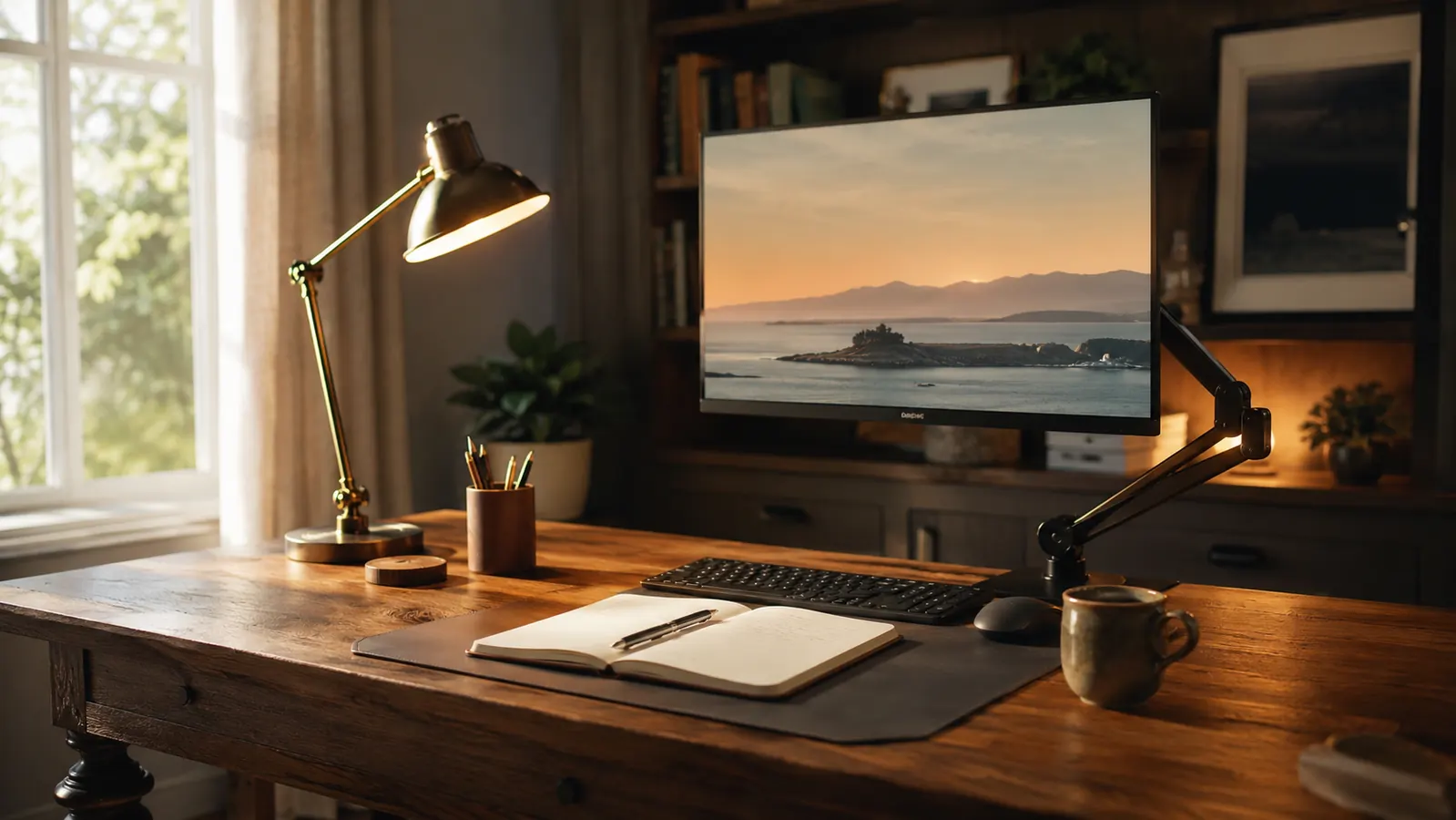
I tried standing desks, foam rollers, and stretching routines. None of it mattered until I fixed the real problem: my chair.
I put this mid-range chair through five-day work weeks for half a year. Here is what held up, what disappointed me, and whether it is still worth buying.
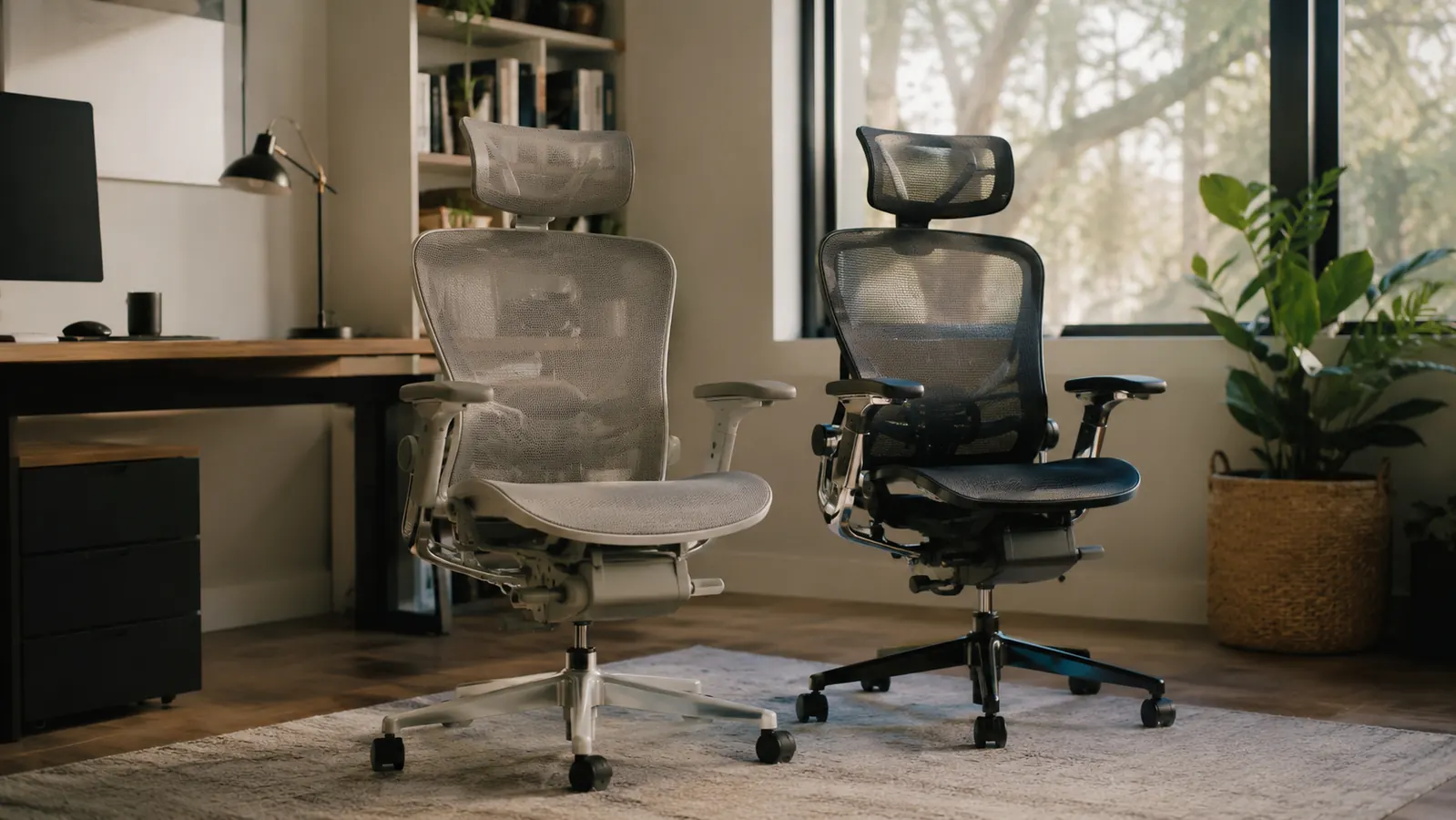
I sat in both chairs across a full work week. One earned its place. The other is a decent-looking seat that cuts corners where it counts.

You have tried the lumbar pillow, the standing-desk timer, the foam roller. None of it worked for long because the chair was still the problem. Here is why a proper ergonomic chair changes the math.

I tried standing desks, foam rollers, and stretching routines. None of it mattered until I fixed the real problem: my chair.

Eight hours in the wrong chair will undo every stretch, every standing break, and every foam roller session you try. Here is how to fix the root cause, not the symptoms.

The listing photos look great. The feature bullets sound great. Here is the honest story of everything the marketing copy skips over.
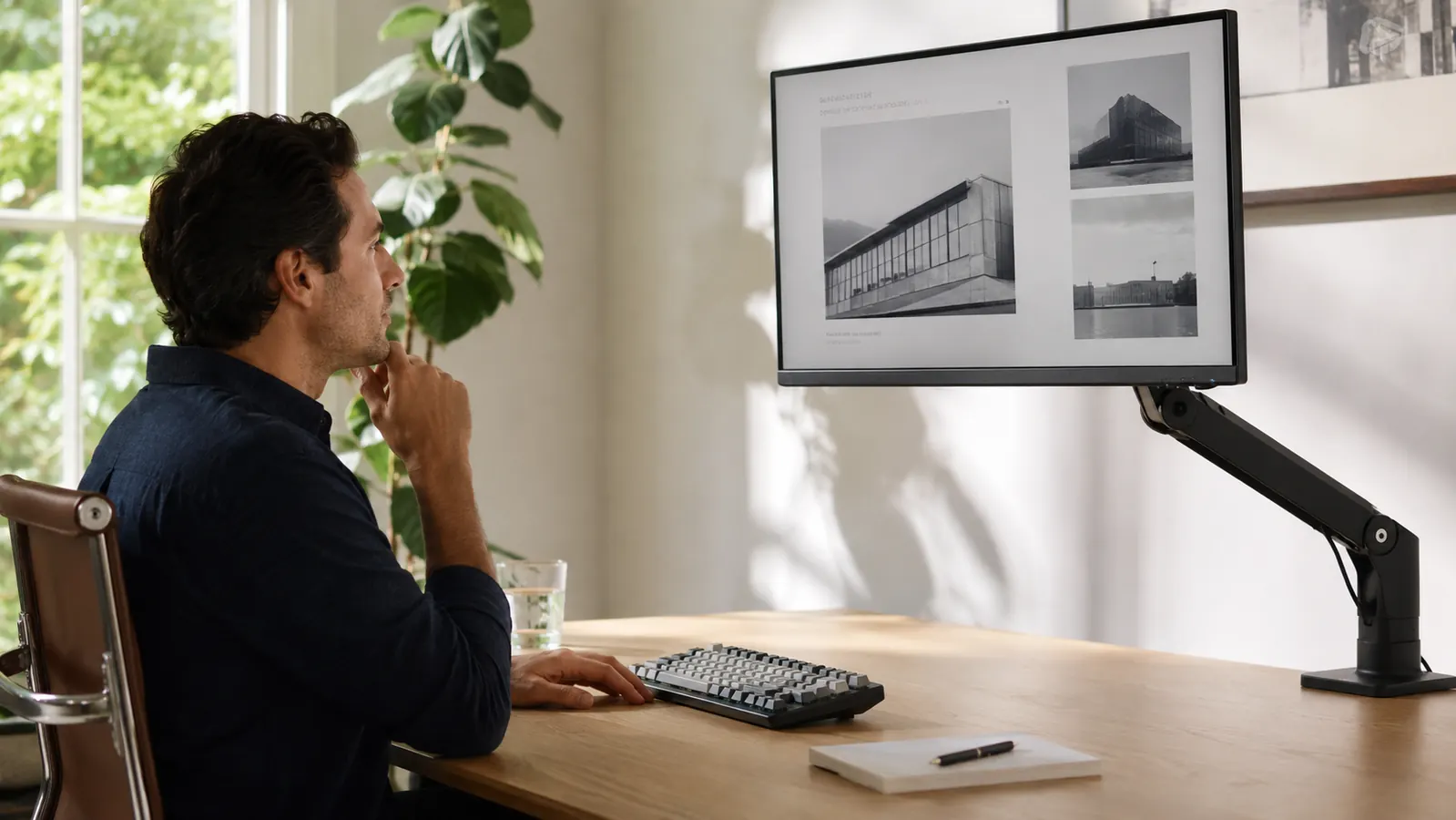
I mounted a 27-inch monitor on the HUANUO FlowLift arm in January and adjusted it nearly every day since. Here is what I found after five months of real daily use.
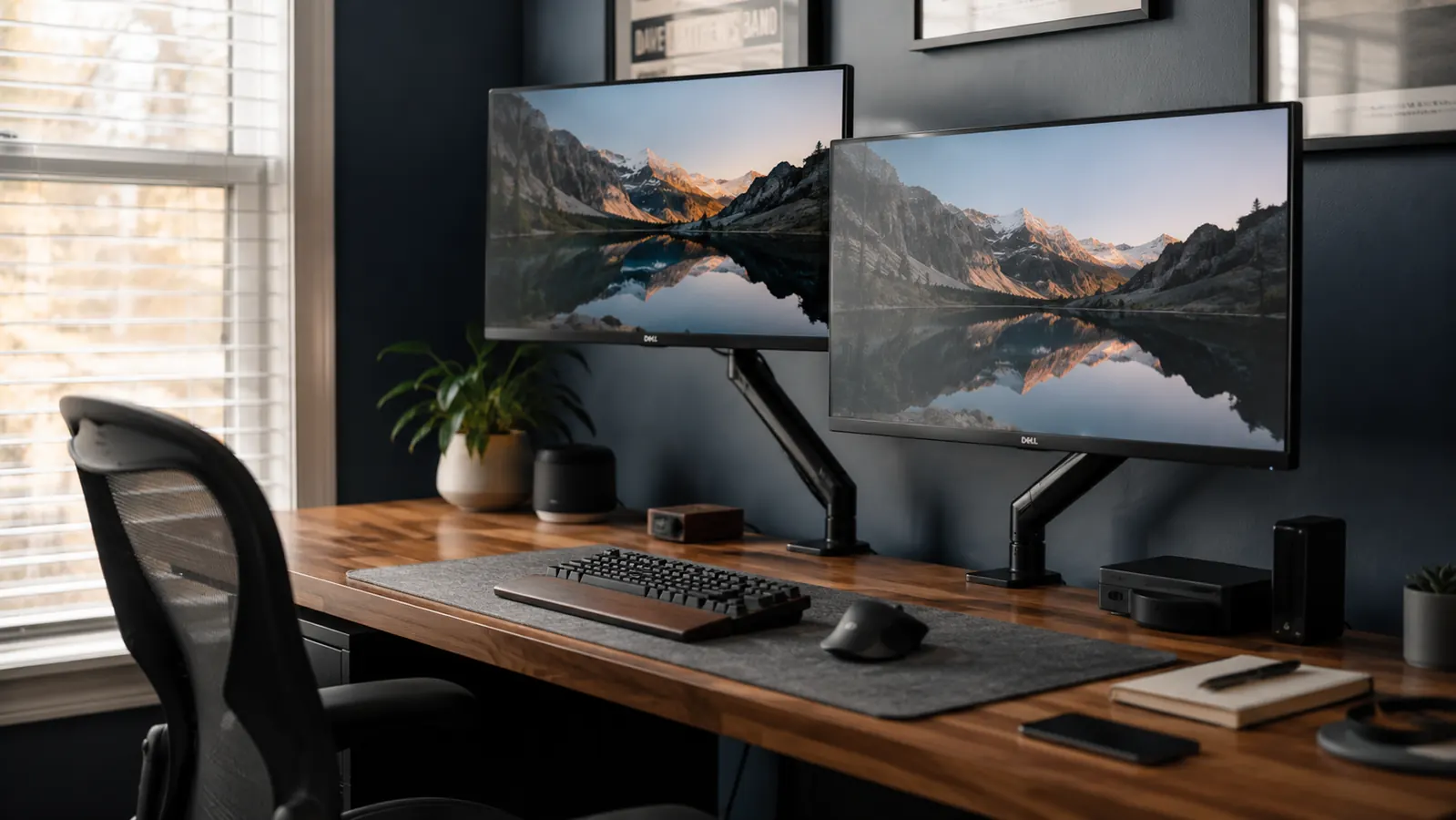
Both arms are affordable and both hold a 27-inch monitor. But they feel nothing alike at the desk. Here is how they actually compare.
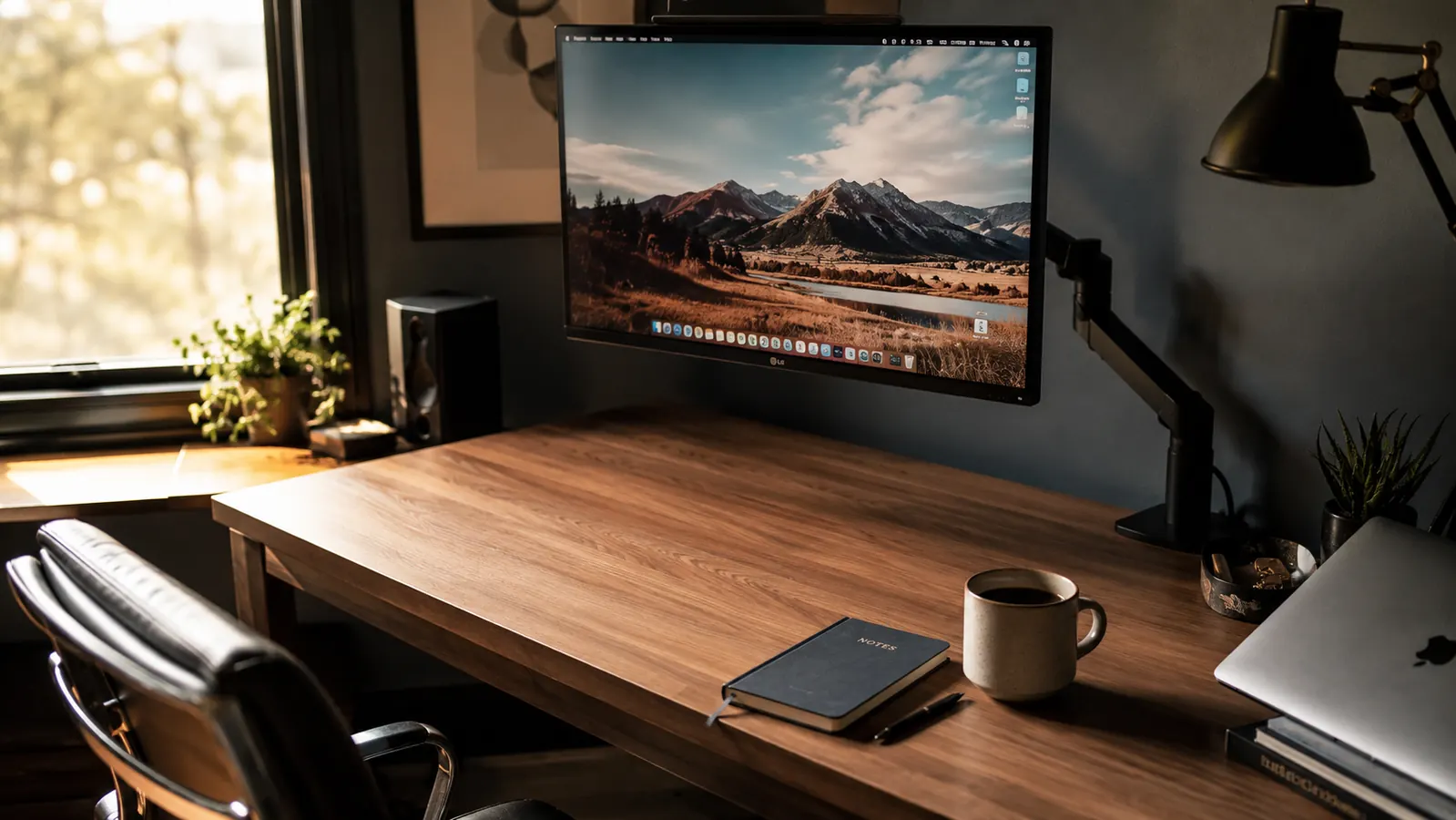
Your monitor stand is eating your desk space, tilting your neck down, and collecting dust underneath. An affordable arm fixes all three. Here is what actually changes.
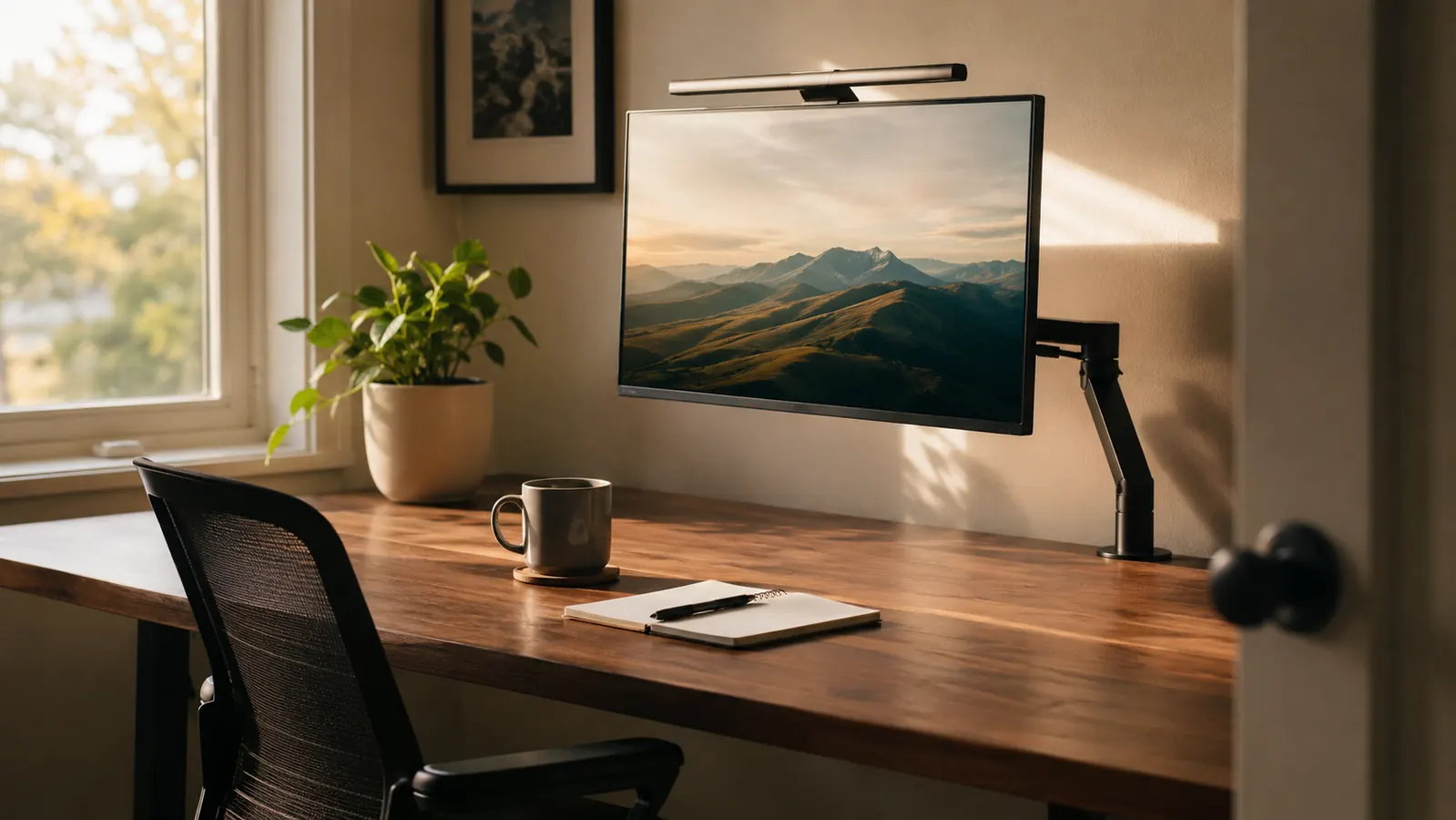
My desk felt crowded and my neck ached every afternoon. One monitor arm later, both problems went away. Here is what actually happened.

Looking down at a screen for eight hours is a solvable problem. Here is the exact process Marcus Reed used to dial in the right monitor height, and the one tool that made it stick.
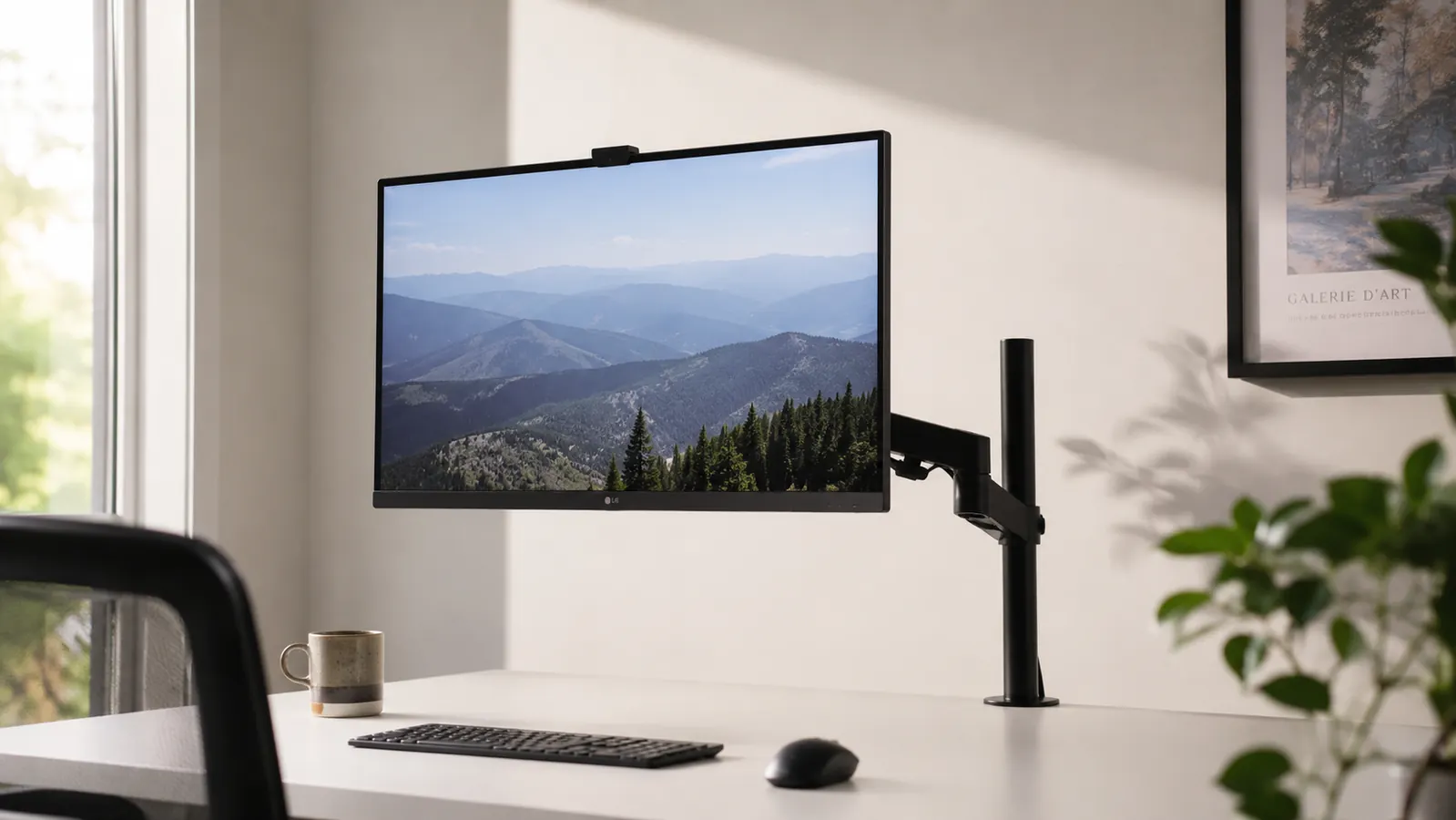
Everyone tells you it is easy to install and holds great. Here is what they leave out: the tension tuning ritual, the collar play nobody warns you about, and whether a mid-range arm is actually the right call for your specific desk.
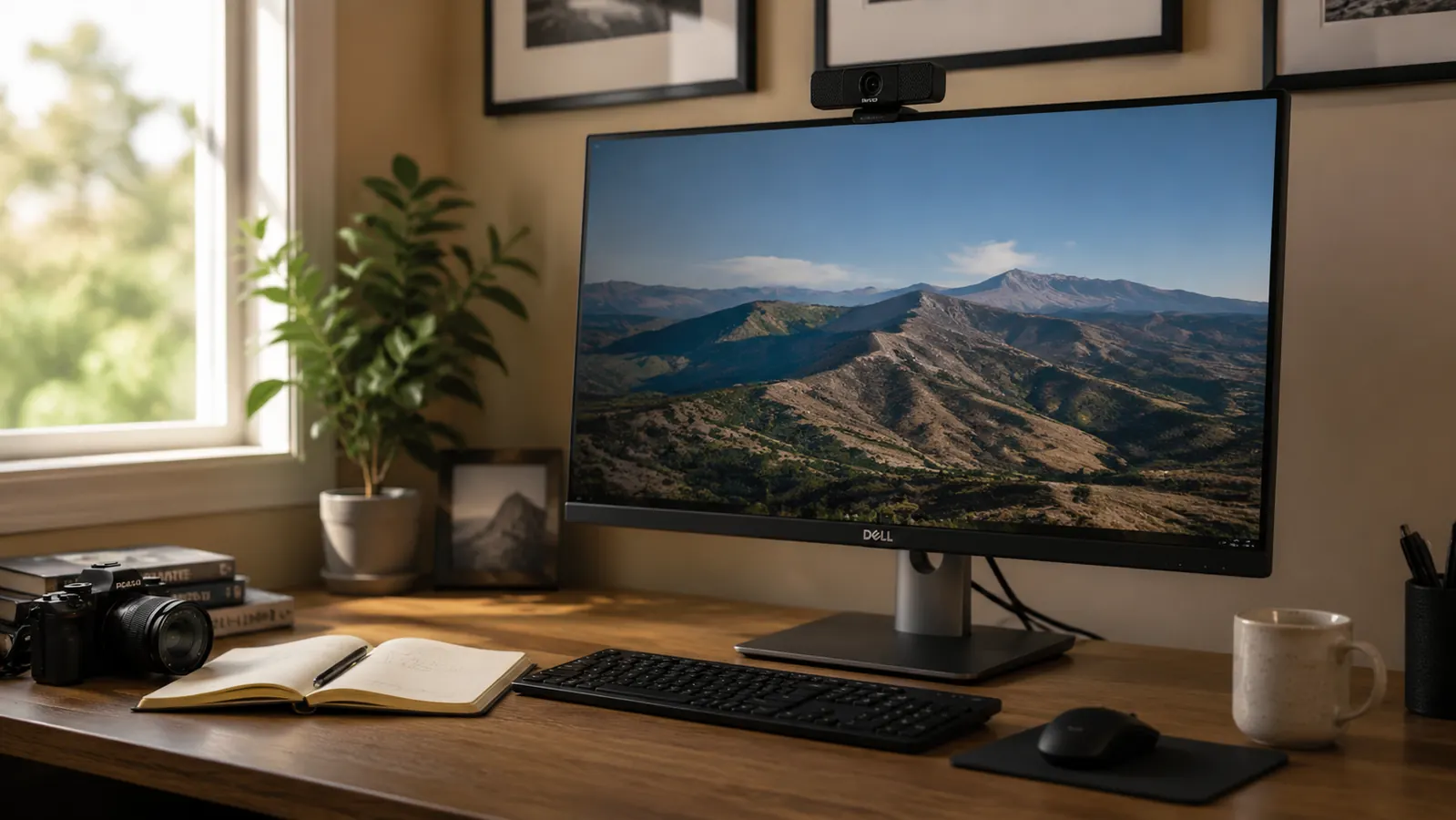
I plugged it in, forgot about the setup hassle, and started showing up sharp on every call. Six months later, here is exactly what held up and what did not.
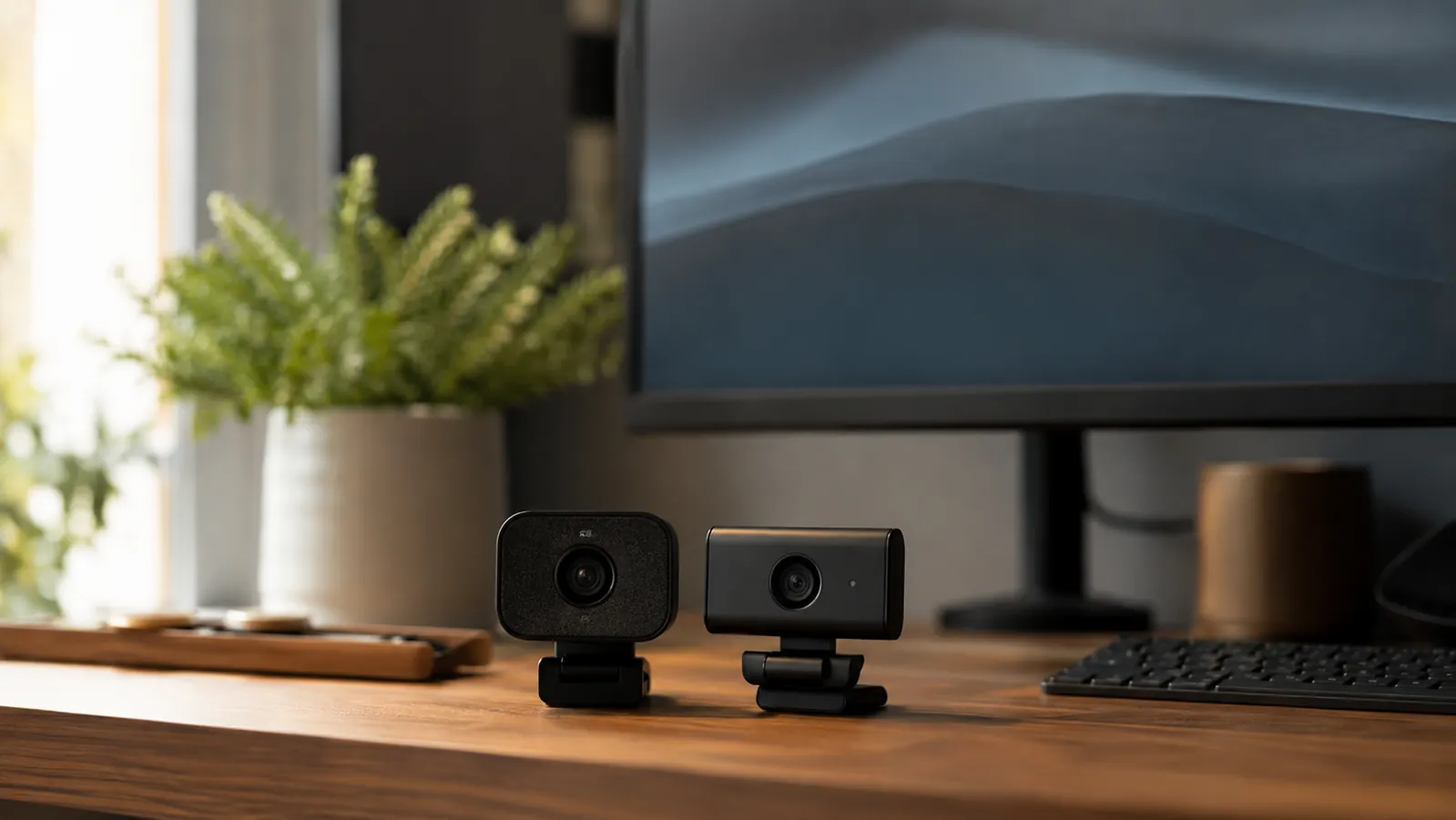
Marcus Reed tested both cameras across Zoom, Teams, and Google Meet for weeks. The short answer might surprise you.

Most remote workers leave money on the table every week by showing up to video calls as a grainy, backlit blur. Here is what a budget fix actually changes.

After my manager pointed out my video looked dark and grainy, I spent very little and fixed it the same day. Here is what I got and why it worked.

Your laptop camera is quietly tanking your professional credibility on every call. Here is a five-step fix that costs less than a dinner out.
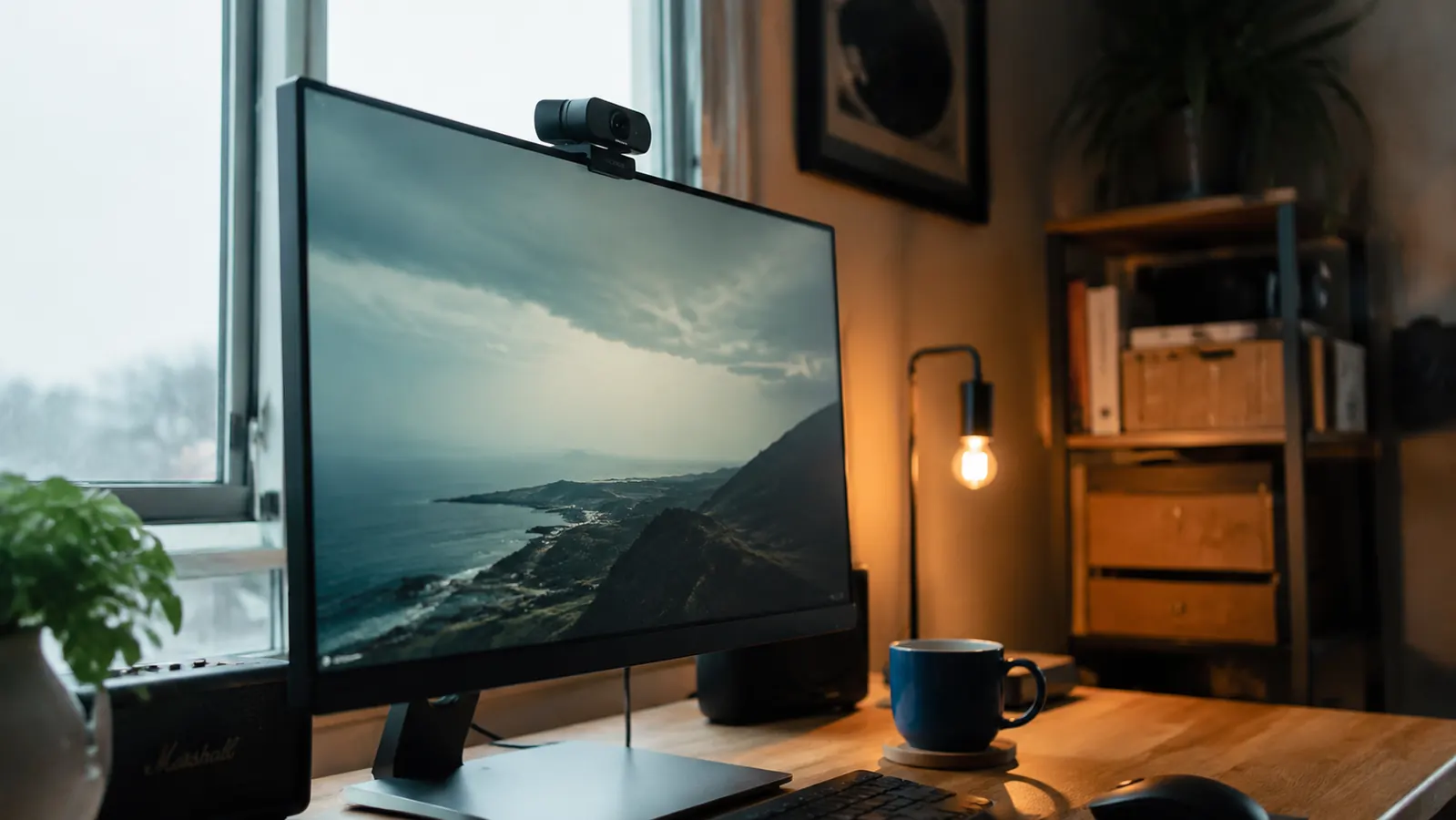
A massive review count is reassuring until you read what the reviews are not saying. Here is what the product page skips and why it matters before you buy.

I bought the Aothia desk pad because my particleboard desk was getting scratched up and my mouse was dragging on the raw surface. Twelve months later I can tell you exactly what held up and what did not.
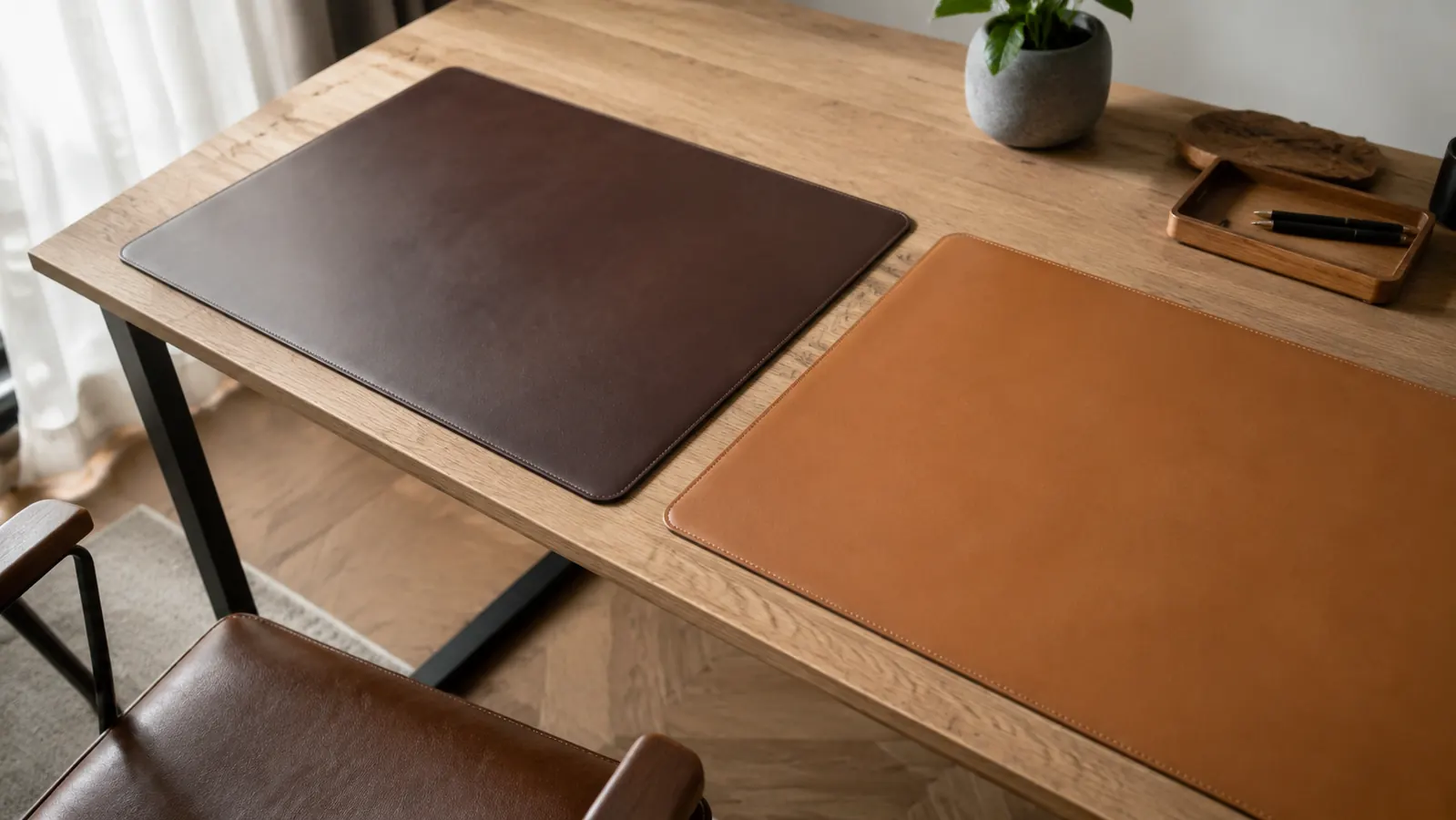
Aothia costs less. Nordik runs higher. I put both on real desks and tracked how they held up. Here is what the premium price actually buys you, and when it does not.

Remote workers who add one almost never remove it. Here is why an inexpensive slab of PU leather quietly fixes problems you have been tolerating for months.

My desk was scratched wood, a cheap mouse pad, and clutter that moved around daily. One item fixed the whole picture.
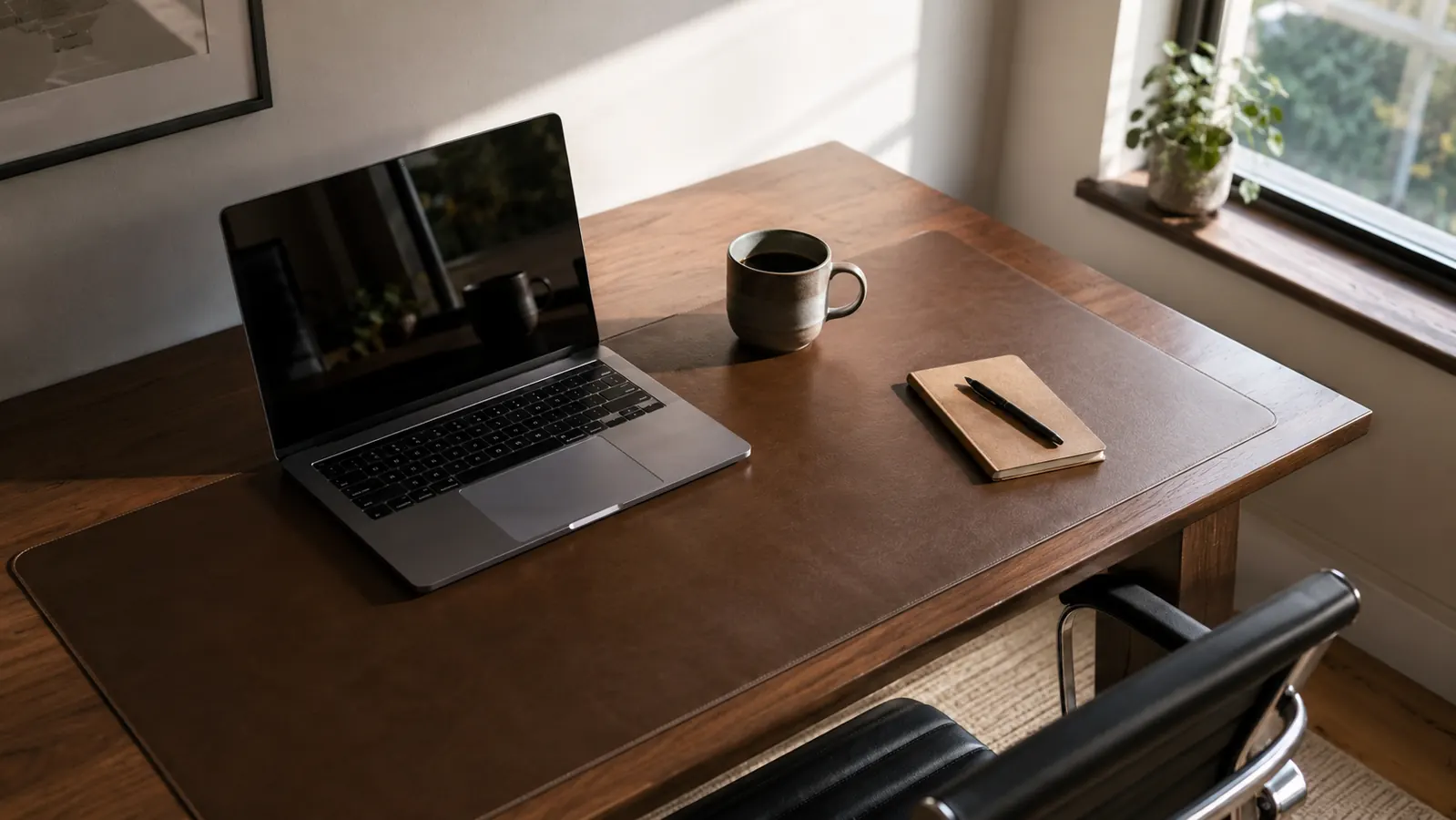
A cluttered desk is not a discipline problem. It is a setup problem. Fix the surface first, then everything else has a place to land.
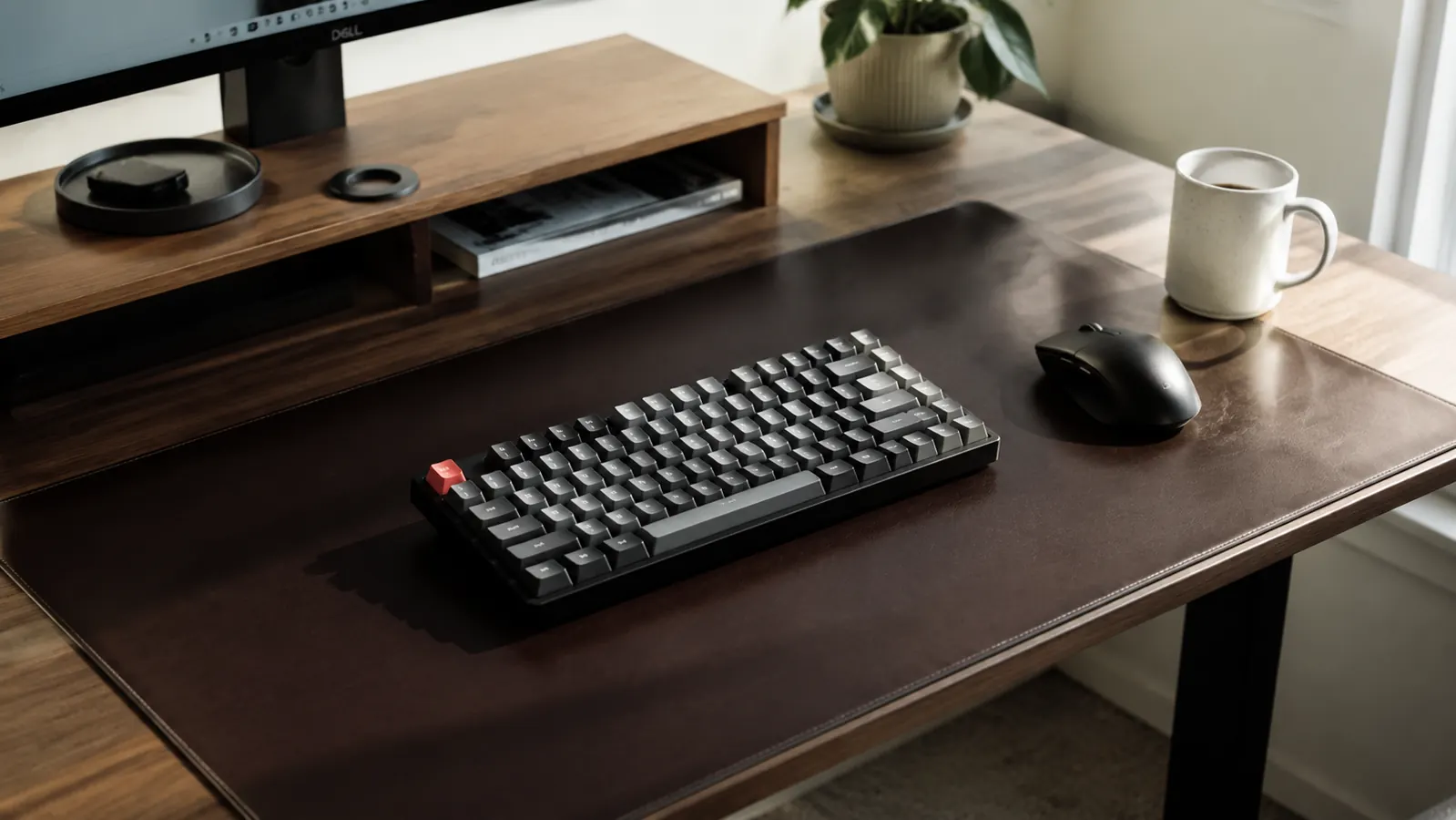
77,000 Amazon ratings are hard to argue with. But the listing page leaves out a few things you should know before you order. Marcus Reed breaks it down.

A budget lamp that promises eye comfort, 7 brightness levels, and a memory function. Marcus Reed put it on his desk in January and has not taken it off.
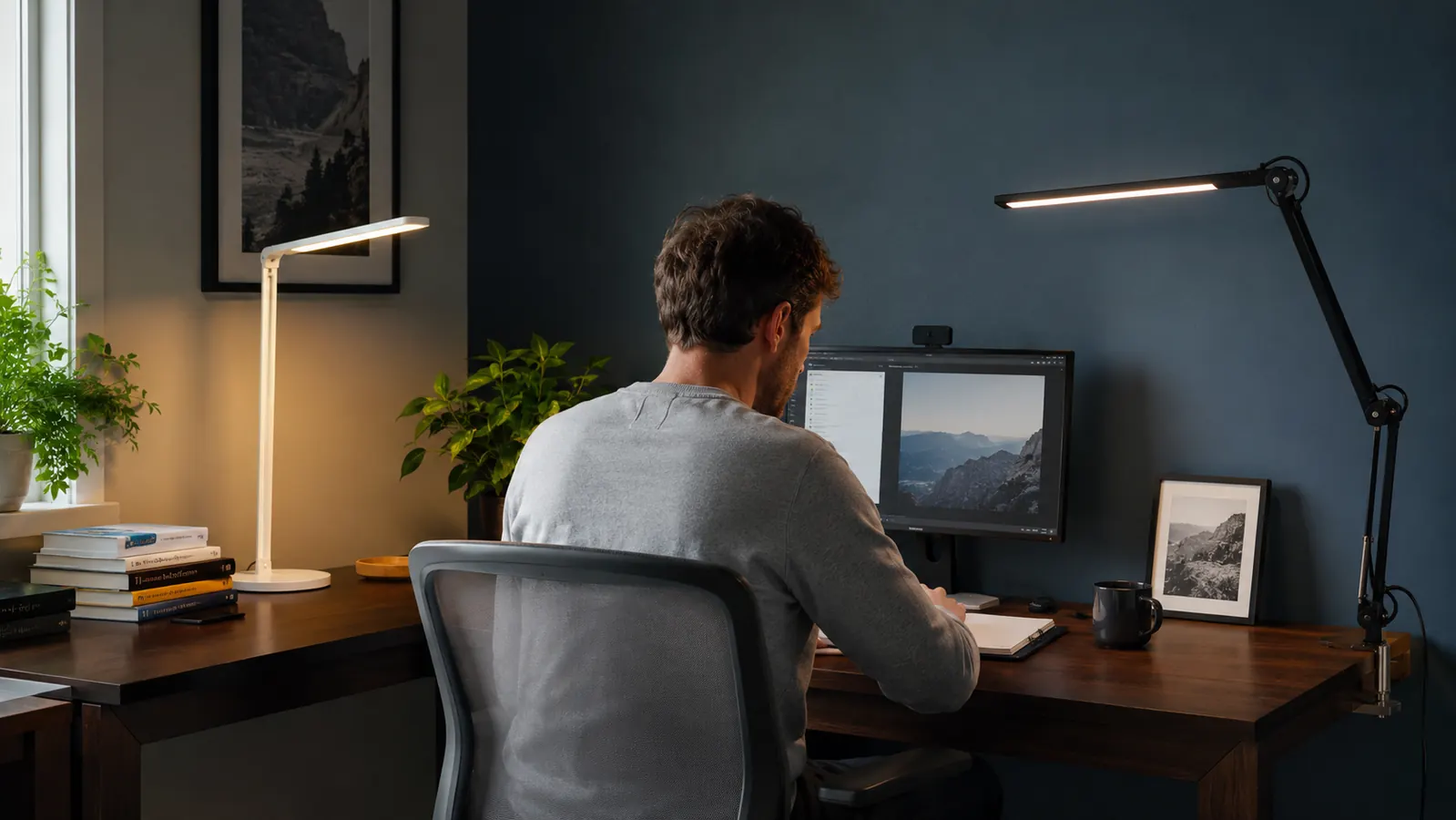
One sits on your desk. One clips to its edge. Both claim to protect your eyes. After spending real time with both, the winner is clearer than the marketing suggests.

Headaches by 3pm are not a screen-time problem. They are a lighting problem. Here is what a proper LED desk lamp actually fixes.

I blamed my screen, my posture, and my caffeine habits. The real culprit was sitting two feet to my left the whole time.

Eye strain from remote work is not just about screen time. This guide covers the lighting, monitor position, and lamp choices that make the biggest practical difference.
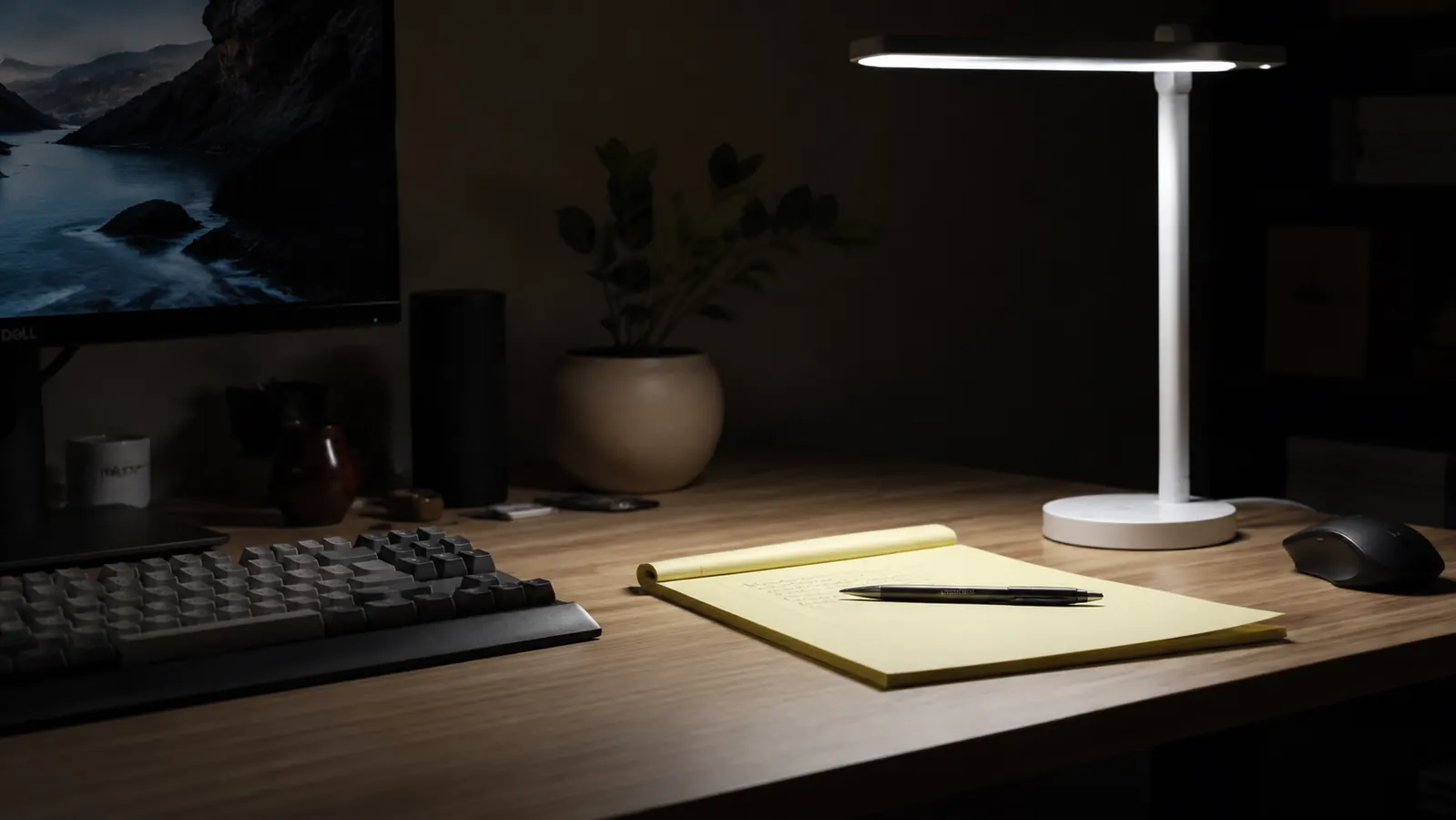
Marcus Reed unpacks what the product listing leaves out: actual color temperature accuracy, what 'eye-caring' means legally versus practically, the USB charging wattage nobody mentions, and the desk geometry quirk that will frustrate half the people who buy it.
I put this mid-range chair through five-day work weeks for half a year. Here is what held up, what disappointed me, and whether it is still worth buying.
The listing photos look great. The feature bullets sound great. Here is the honest story of everything the marketing copy skips over.
I mounted a 27-inch monitor on the HUANUO FlowLift arm in January and adjusted it nearly every day since. Here is what I found after five months of real daily use.
Everyone tells you it is easy to install and holds great. Here is what they leave out: the tension tuning ritual, the collar play nobody warns you about, and whether a mid-range arm is actually the right call for your specific desk.
I plugged it in, forgot about the setup hassle, and started showing up sharp on every call. Six months later, here is exactly what held up and what did not.
A massive review count is reassuring until you read what the reviews are not saying. Here is what the product page skips and why it matters before you buy.
I bought the Aothia desk pad because my particleboard desk was getting scratched up and my mouse was dragging on the raw surface. Twelve months later I can tell you exactly what held up and what did not.
77,000 Amazon ratings are hard to argue with. But the listing page leaves out a few things you should know before you order. Marcus Reed breaks it down.
A budget lamp that promises eye comfort, 7 brightness levels, and a memory function. Marcus Reed put it on his desk in January and has not taken it off.
Marcus Reed unpacks what the product listing leaves out: actual color temperature accuracy, what 'eye-caring' means legally versus practically, the USB charging wattage nobody mentions, and the desk geometry quirk that will frustrate half the people who buy it.